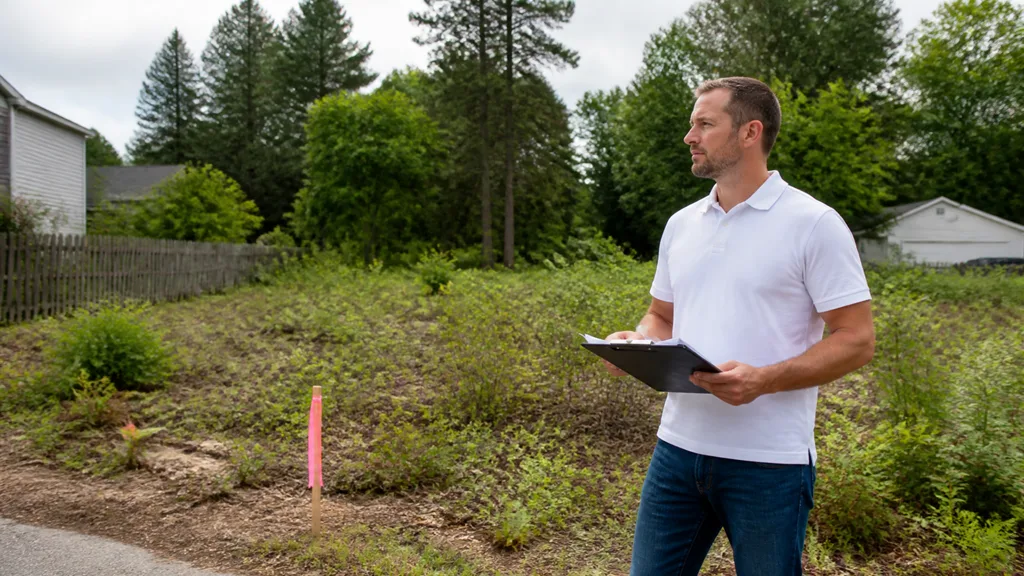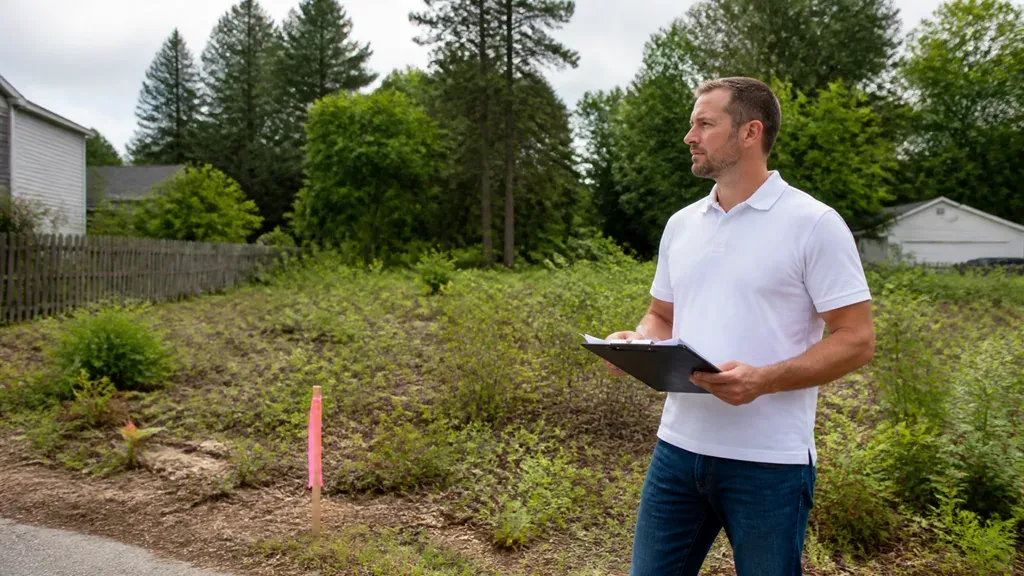
Michigan has a substantial market for vacant land - from residential lots in growing suburban communities to undeveloped parcels being held for future development. The key is matching your land to the right type of buyer rather than casting a wide net and hoping someone bites. These tips will help you do exactly that, whether you are selling a residential lot in a Detroit suburb, a large undeveloped parcel in outer Macomb County, or a city lot left vacant after a demolition.
Tip 1: Understand What Your Land Is Good For - and Who Wants It
Before you start marketing your land, figure out what it is and what a buyer could realistically do with it. This shapes everything from your asking price to which buyer pool you should be targeting.
Common land buyer types in Metro Detroit include:
- Residential builders and developers. Buyers who want to construct a home or a small development. They care about zoning, lot size, utility access, and proximity to existing infrastructure. Active in suburbs like Shelby Township and Waterford, where residential growth continues.
- Investors holding for future development. Buyers who purchase land and hold it until values rise or development expands. They are patient, price-sensitive, and often pay cash.
- Neighboring property owners. The most motivated buyers of all - someone who already owns land or a house next to yours and wants to expand. Always approach adjacent owners directly before broadly marketing.
- Recreational land buyers. Less common in dense Wayne County but relevant for parcels in outer Oakland and Macomb Counties - buyers looking for hunting, fishing, or private outdoor space.
- Commercial and industrial buyers. For commercially zoned parcels near Detroit’s industrial corridors - a specialized buyer type that often moves through brokers or directly.
Check your parcel’s current zoning with the city or township, confirm whether utilities are available at the property line, and note any deed restrictions or easements. This information is the foundation of your marketing and will come up in every serious buyer conversation.
Tip 2: Skip the Agent and Sell Directly to Land Buyers
Most real estate agents are experienced with houses, not land. When you list a vacant parcel with a traditional agent, it often sits on the MLS for months because the agent does not know how to price it correctly, does not have relationships with land-specific buyers, and is not motivated to spend marketing energy on a lower-commission sale.
A better path is often to go direct. Reach out to land investors, direct cash buyers, and neighboring property owners yourself. Direct buyers who specialize in land can move quickly, often pay cash, and do not require you to make improvements or wait out a long listing period. If you want to skip the traditional listing process entirely, a direct sale is worth exploring as your first option rather than your last resort.
Tip 3: Where to Find Land Buyers in Metro Detroit
Land buyers are a smaller, more targeted audience than home buyers - but they are reachable if you know where to look:
- Land-specific listing platforms. Sites like LandWatch, Land And Farm, and Lands of America specifically attract land buyers - far more effective for vacant parcels than general platforms like Zillow.
- Local real estate investor groups. Metro Detroit has an active investor community. Wayne, Oakland, and Macomb County REIA (Real Estate Investors Association) meetings regularly include buyers looking for land deals.
- County tax records. If you want to target neighboring property owners, your county Register of Deeds and the Wayne or Oakland County parcel viewer lets you identify and contact adjacent owners directly.
- Facebook Marketplace and Detroit-area real estate groups. A simple listing with good photos and clear terms can attract buyers quickly, especially for residential lots in desirable areas.
- Direct cash land buyers. Companies that buy land directly - including Redford-area and Metro Detroit direct buyers - can often close in days without the delays of a traditional sale process.
Tip 4: Present Your Land Well
Land is harder to visualize than a house, which means good presentation matters more than sellers often expect. Buyers who cannot visit in person need enough information to make a serious inquiry, and buyers who do visit need to understand what they are looking at.
For any land listing, plan to provide:
- Multiple photos taken from each corner of the parcel facing outward in each direction - not just one or two generic shots
- Photos of neighboring land and development - a new road, a nearby subdivision, commercial activity nearby - all add value to a buyer’s mental picture
- A copy of the plat map or survey if available, or a screenshot from the county GIS parcel viewer showing the lot boundaries
- Zoning information and any current assessments or property tax amounts
- Utility availability - water, sewer, gas, electric - at or near the property line
The more information you provide upfront, the more serious inquiries you will get - and the fewer wasted trips and conversations with buyers who were not a realistic fit for your parcel.
Tip 5: Consider Accepting Seller Financing
Land is notoriously difficult to finance through conventional banks. Many lenders will not write mortgages on raw land at all, and those that do often require large down payments and charge higher interest rates. This shrinks the cash buyer pool substantially.
If you are willing to act as the lender and accept payments over time, seller financing opens your land to a much larger group of buyers. You can set the purchase price, interest rate, down payment, and term. Most seller-financed land deals in Michigan are structured with a meaningful down payment - often 20-30% - followed by monthly payments over 3-10 years, at which point the buyer pays off the balance or refinances. The tradeoff is that you do not receive all the money at once, but you do receive interest income on top of the sale price, and you typically have a faster sale at a higher price than a cash-only listing would achieve.
What to Expect When Closing a Land Sale in Michigan
Closing on a land sale in Michigan follows a similar process to a home sale, with a few differences. A title company or real estate attorney will handle the closing, review the title for any liens or encumbrances, and prepare the deed. Michigan charges a State Real Estate Transfer Tax (SRETT) at closing, assessed based on the sale price, which is typically paid by the seller. If there are any outstanding property taxes or assessments on the parcel, those will be addressed at closing as well.
One practical note: make sure the legal description of your parcel is accurate before you list it. Discrepancies between the legal description and the actual land boundaries can create title issues that slow or derail a closing. If you have any doubt, order a boundary survey before you go to market - it is a modest investment that prevents much larger problems later. Also check whether your parcel has any delinquent property taxes owed to the county. Michigan has a tax foreclosure process for properties with unpaid taxes, so addressing any back taxes before you list gives you a cleaner sale and more negotiating leverage with buyers.
Want to Skip the Process Entirely? We Buy Land in Metro Detroit
If you have vacant land in the Detroit area that you want to sell without the hassle of listing, marketing, and waiting - Chris Buys Homes Detroit buys land directly. We purchase residential lots, vacant parcels, and raw land throughout Wayne, Oakland, and Macomb Counties as-is, for cash. No agent commissions, no lengthy listing process, no waiting on a buyer to secure financing for a parcel banks do not want to finance.
Many land owners we work with have held their parcels for years - inherited land, lots picked up at tax auction that never got developed, or leftover parcels from a property that was subdivided. A direct sale gives you a clean exit and a fresh start without the ongoing carrying costs of property taxes, liability insurance, and maintenance on land that is not producing anything for you.
Contact us today or call (313) 217-9851 to get a no-obligation cash offer on your land. We’ll give you a straight answer about what we can pay and you can decide from there - no pressure, no waiting, no obligation.